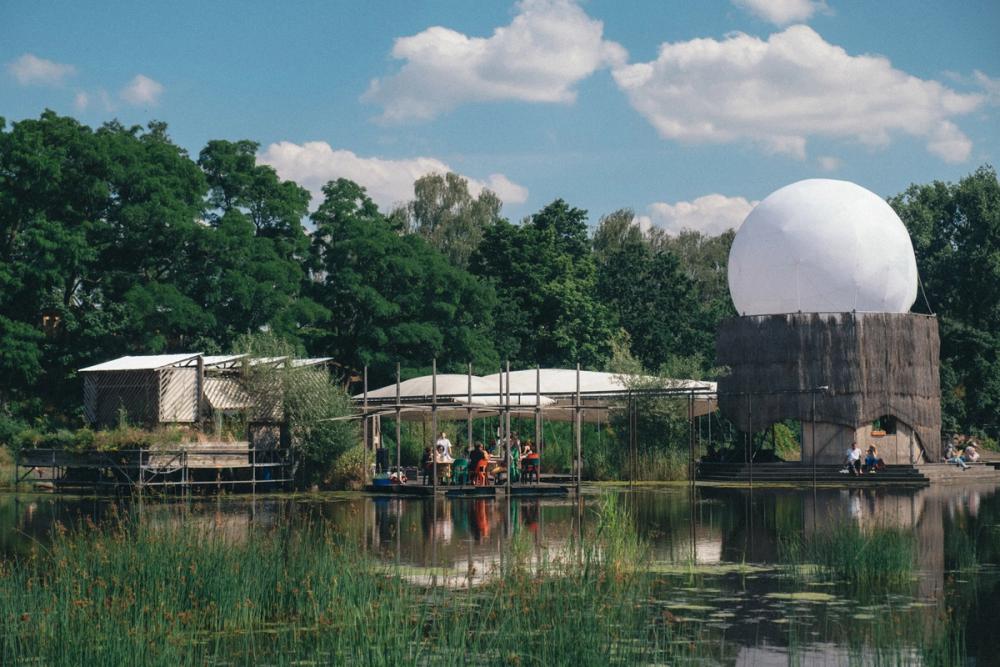
Floating University is situated at a rainwater collection basin serving the former Berlin Tempelhof airfield. After the basin had been closed off to the public for over 60 years and the airport ceased operating in 2008, the site was reopened in 2018 by the architecture collective raumlabor. One of the major goals was to reactivate the water infrastructure as a socio-political space and Natureculture learning site. Thus, the rainwater retention basin becomes the ideal location to question concepts of technocratic water management and ask how we could cultivate a more democratic and pluriversal relationship with the water falling from the sky.
When rainwater hits the ground, it is usually channeled into private ownership or municipal sewage systems—depending on who owns the place. Yet the moment before it touches the ground reveals its democratizing potential. At this moment, it belongs to everyone and no one; and its possible futures are negotiable. If this potential were considered for the neighborhood of Floating—where large amounts of rainwater are collected in a retention basin and directed into the municipal sewage system—which human and more-than-human communities would have access to the water and how might this shape the place differently?
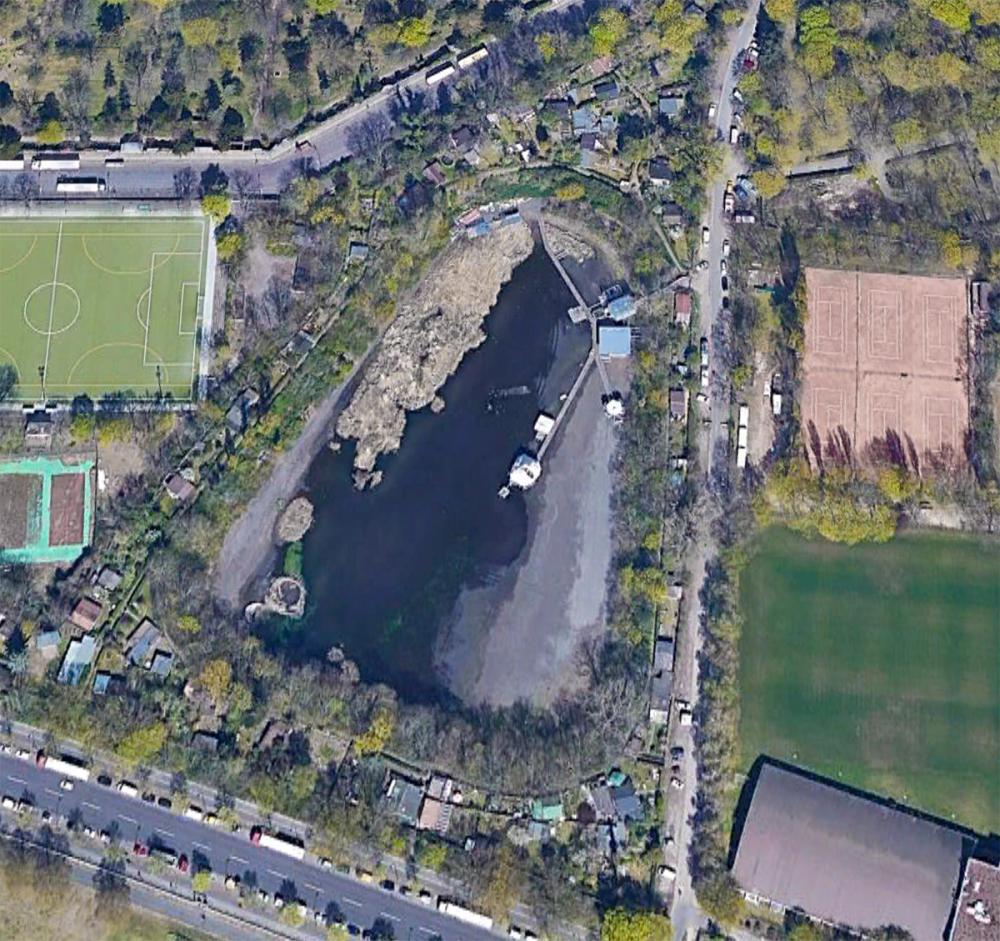
The site of Floating was designed in the early 1930s as a rainwater retention basin to serve the Tempelhof airfield and adjacent avenues, and it was encased in concrete after the second World War by the U.S Army. Today, it hosts the structure of Floating and holds and diverts rainwater into the city’s canalisation system. © Google Earth.
Analytical framework: The Hydrocommons
In order to develop a pluralistic perspective on the myriad inhabitants of the retention basin and its surrounding areas, we draw on the concept of the hydrocommons, as coined by cultural theorist Astrida Neimanis. In her work, she argues that we do not live as separate, individual bodies on one side, in need of water on the other, but rather that we are “intimately bound up, both physiologically and semiotically, in our wateriness”—because all bodies materialize and transform the waters that flow through all of us.
Neimanis argues that our human bodies of water not only have the potential, but also bear the responsibility to cultivate new relations with other more-than-human beings. She proposes a framework for negotiating these relations, which means a practice, ethics, and poetics of “hydrocommons”. Neimanis emphasizes that within a hydrocommons, bodies of water are neither uniform nor equally integrated and that the differences among them must be critically addressed. Following this view, water should not be claimed as property or treated as something ‘out there’ but understood as interconnected bodies that need to take care of and show solidarity with each other.
The idea of the hydrocommons is the starting point for this analysis, functioning as a tool to take a closer look at Floating in Berlin-Kreuzberg. Neimanis’ approach leads us to question the current political decision-making on the site. We therefore ask: What if the basin were seen through the lens of hydrocommons, with all bodies of water included as equal actors—from the needs, habits, routines and interests of microorganisms, insects, and mammals, to neighbors and even political institutions?
To investigate this question, we have followed the way of water around Tempelhof airfield and analyzed its various states of visibility, usage, pollution, ownership and conflict. In doing so, we have interpreted the basin through the lens of hydro-social theory and understanding it as a hybrid infrastructure embedded in a diverse neighborhood, where human communities, the built environment and more-than-human actors interact in multiple ways.
Habits and routines of water usage in the neighborhood
As a starting point, we have analyzed and engaged with the various neighborhood sites of Floating in regard to their relation to water through fieldwork, interviews, photography and drawings. Our analysis includes the surrounding allotment gardens, the Wagenplatz, sports fields, Hasenheide, the adjacent cemeteries, Floating and more-than-human actors. The following presents an excerpt of our fieldwork; the full documentation can be found in the PDF of this contribution.
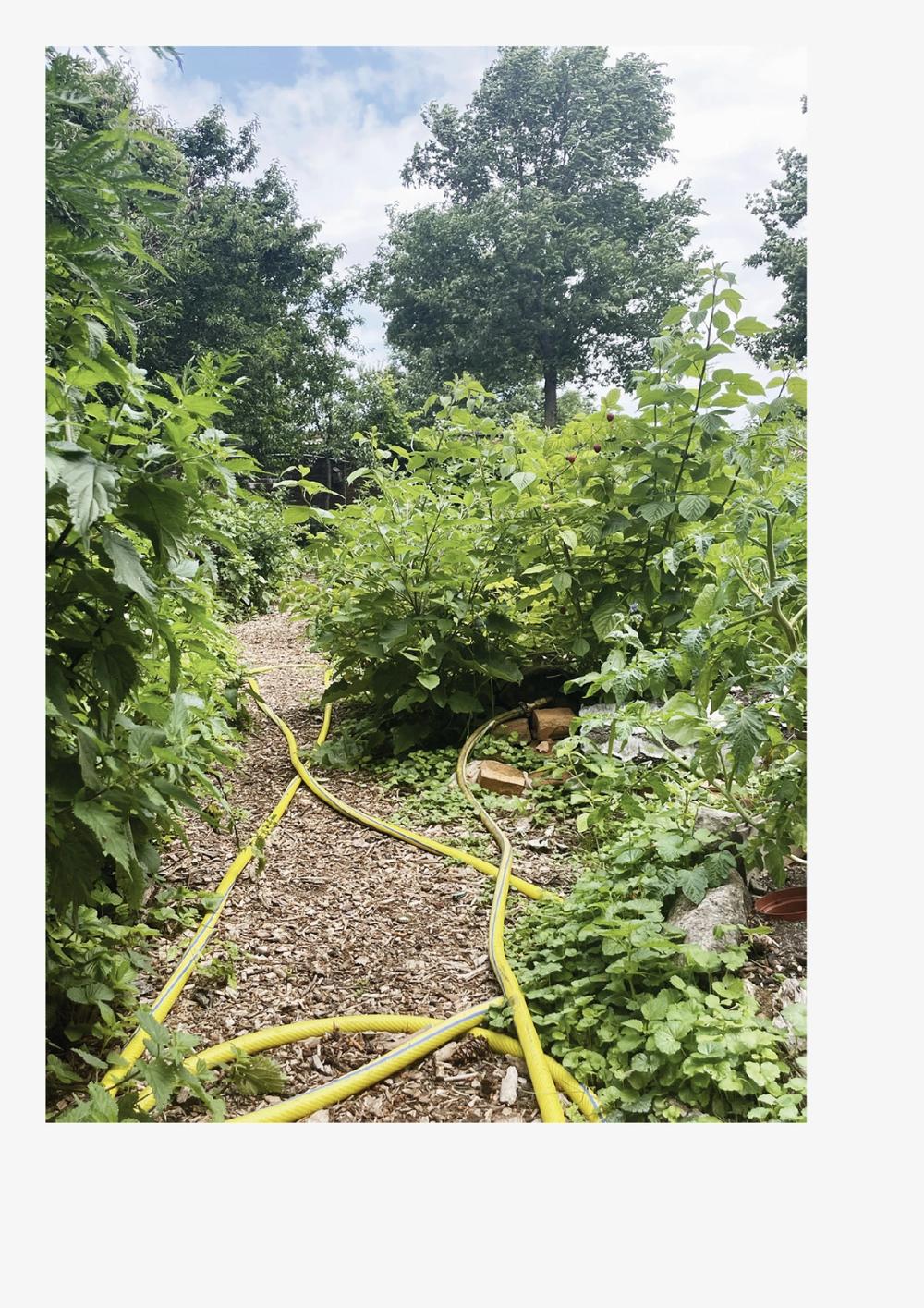
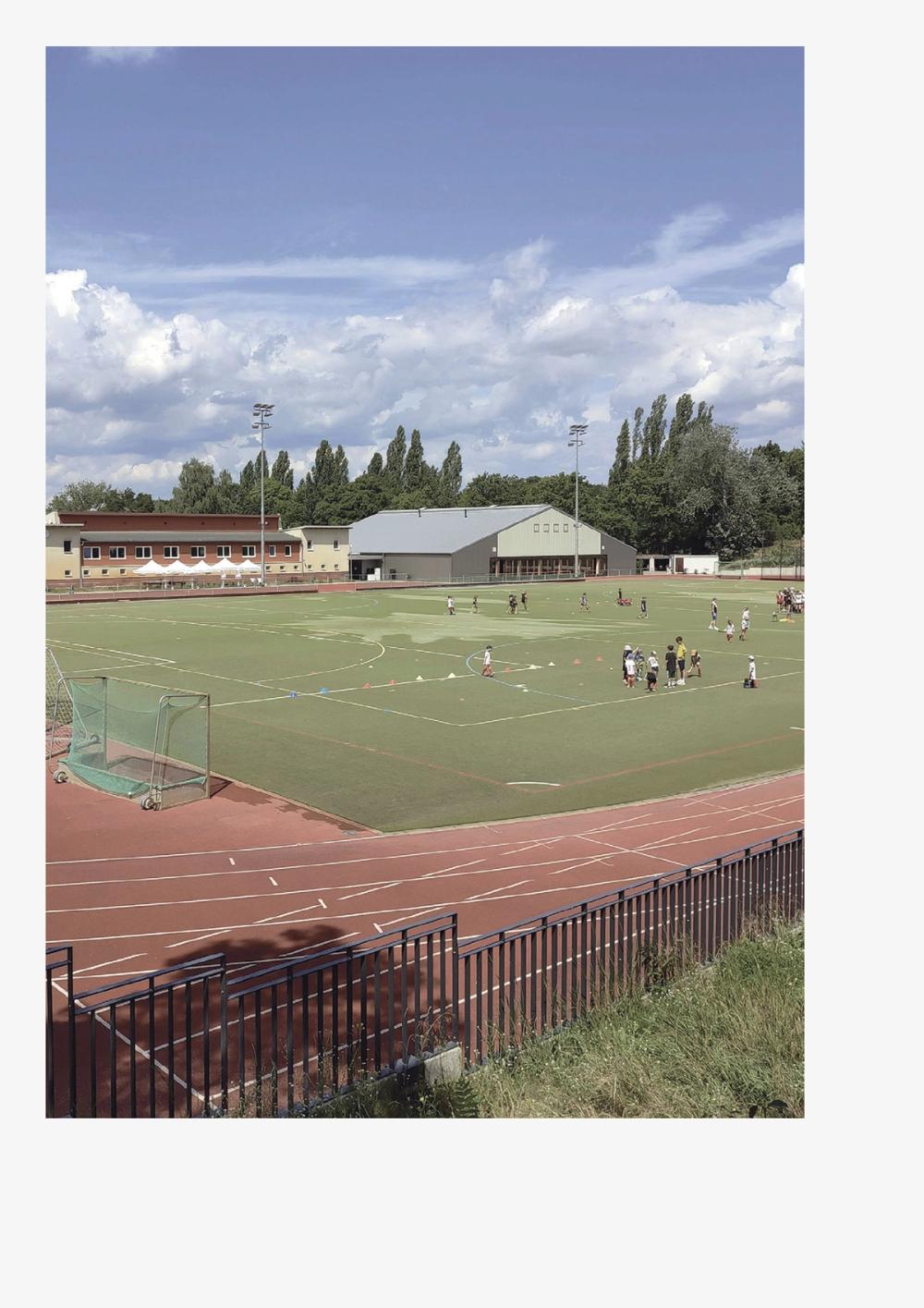
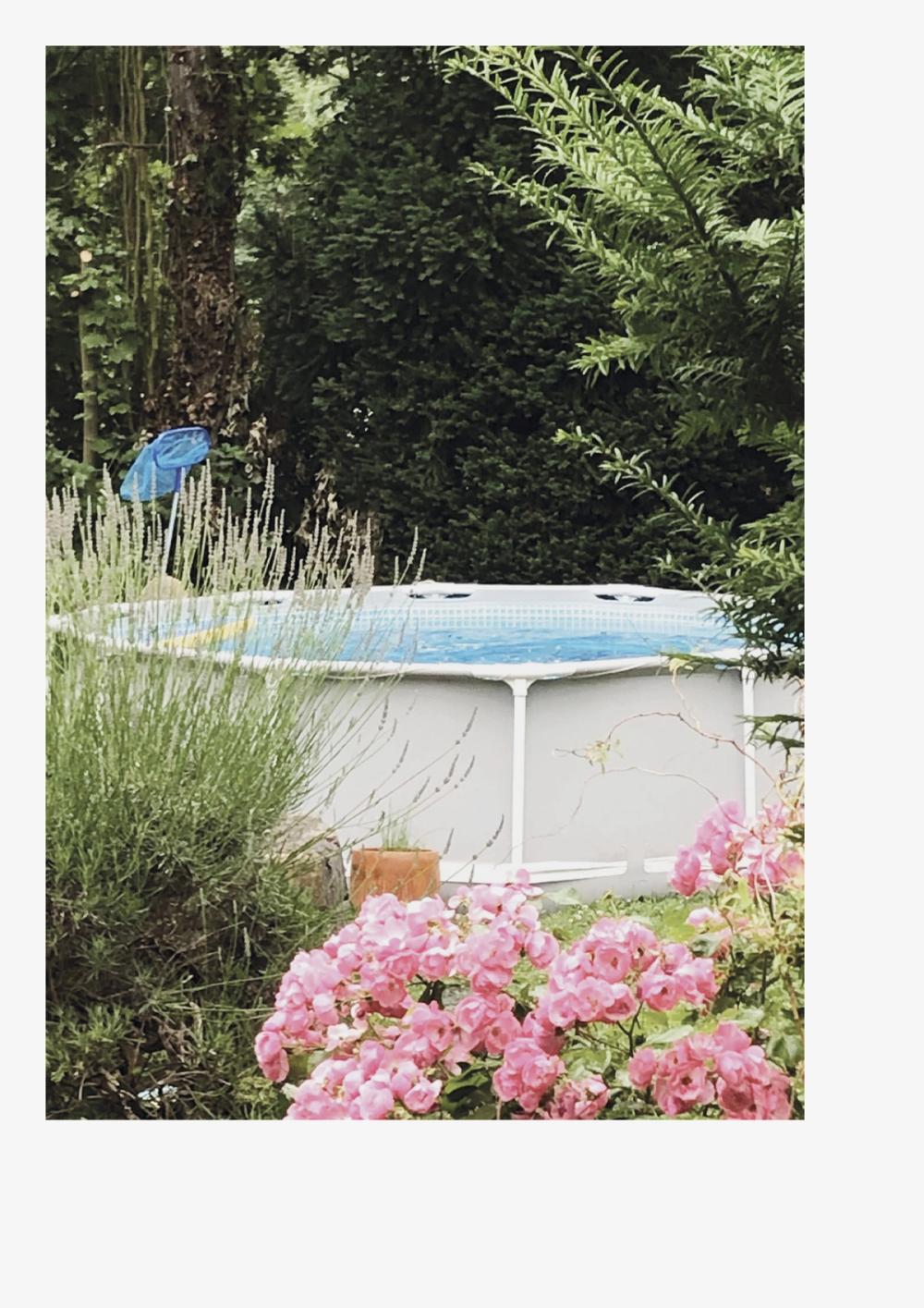
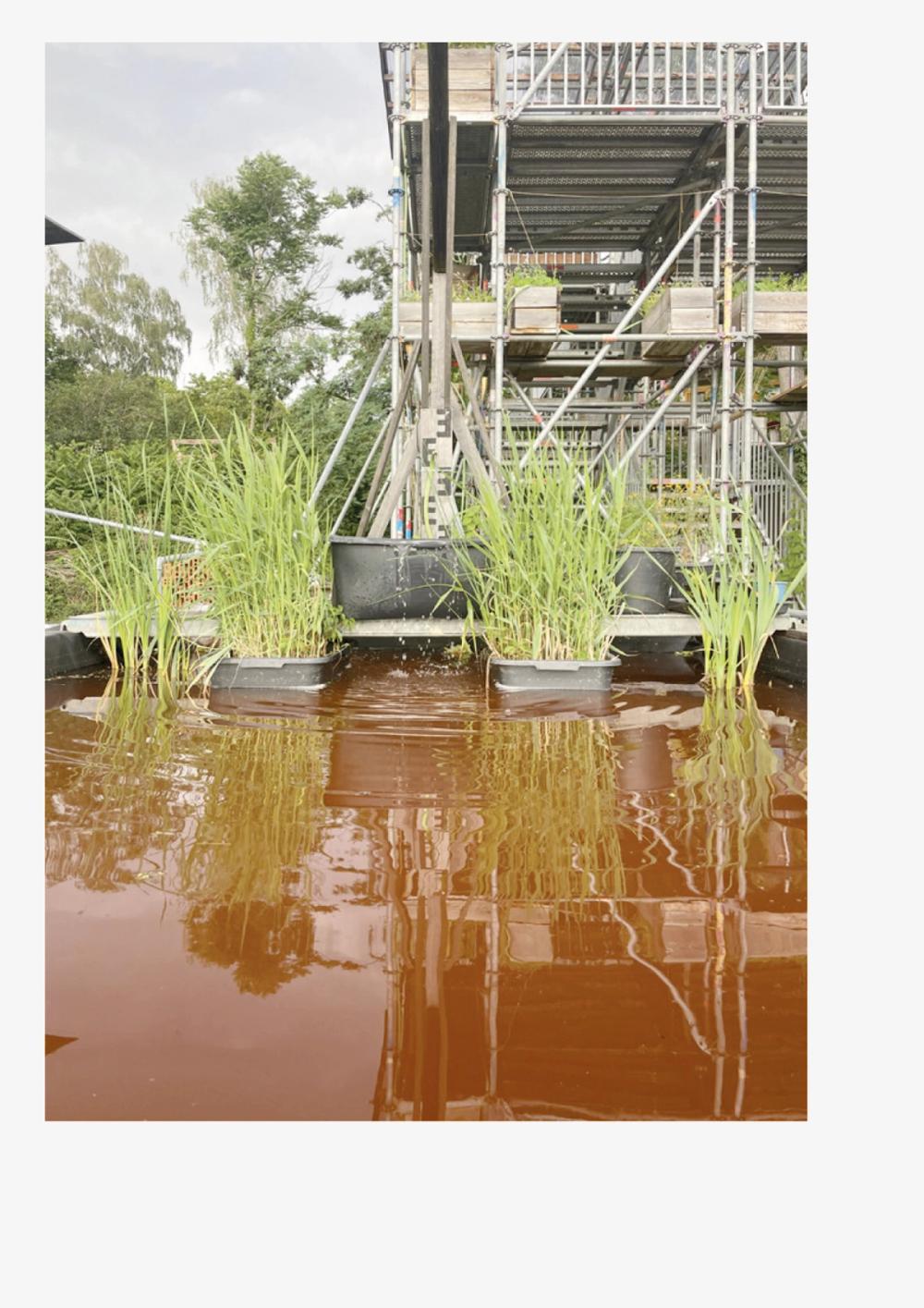
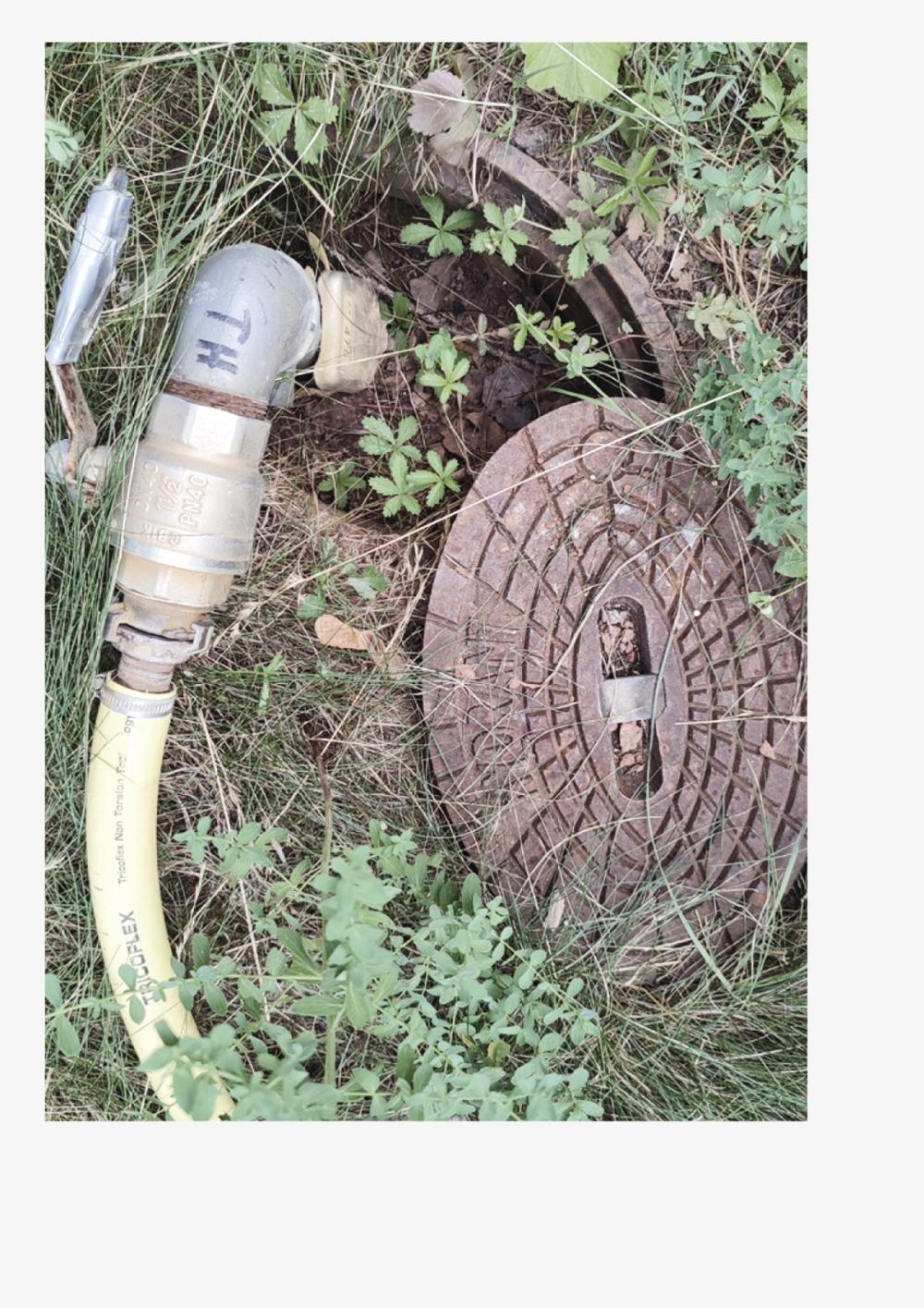
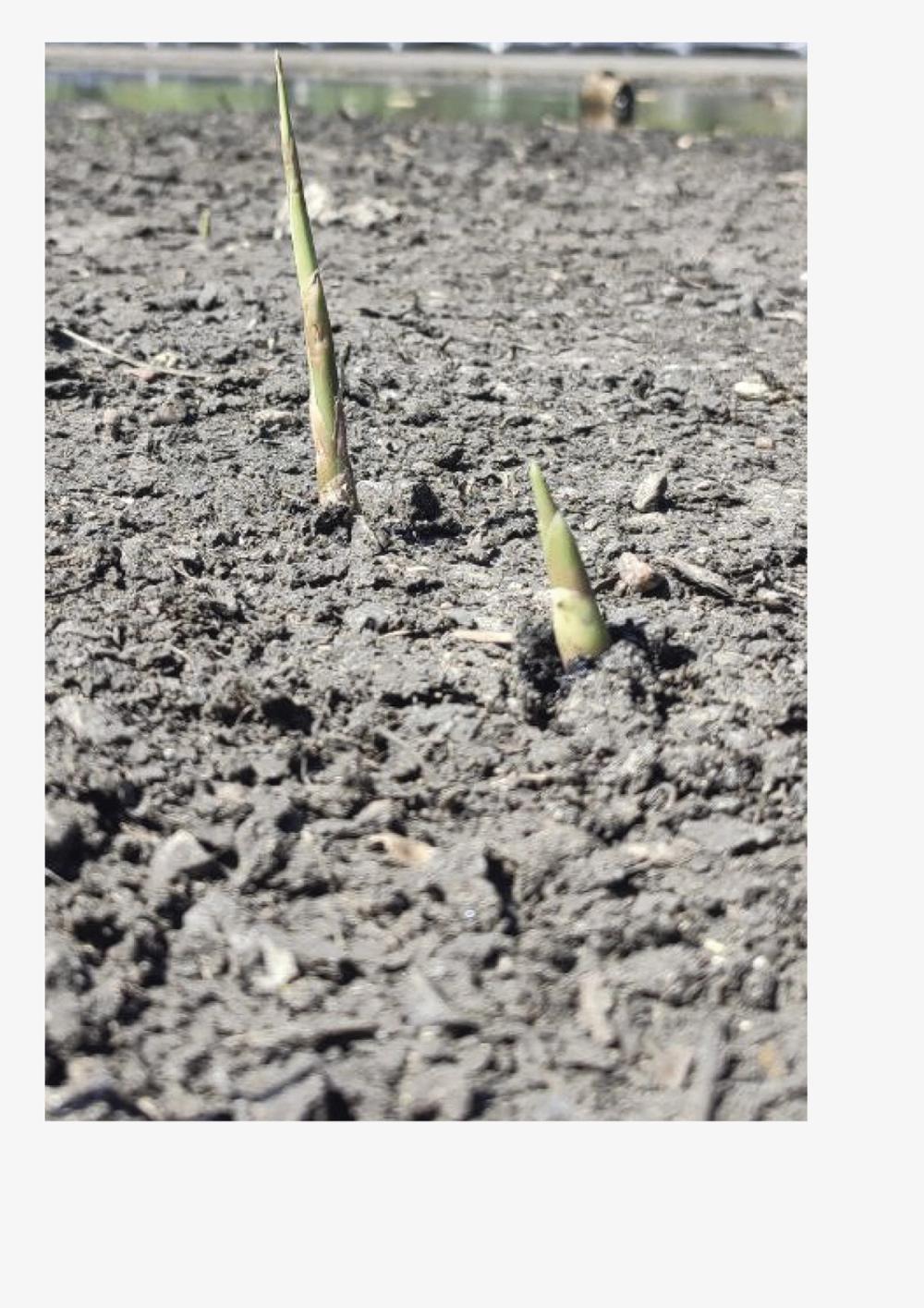
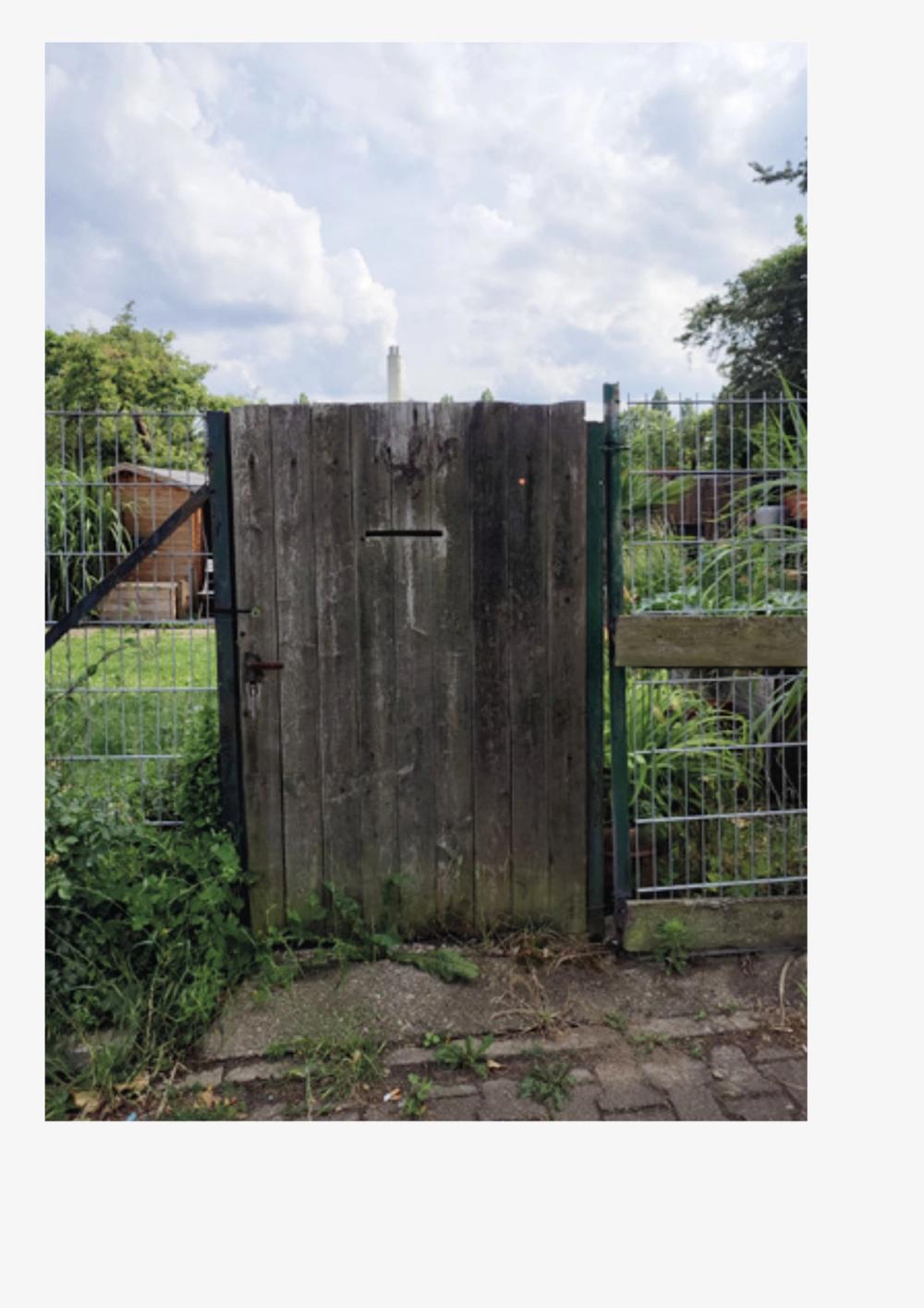
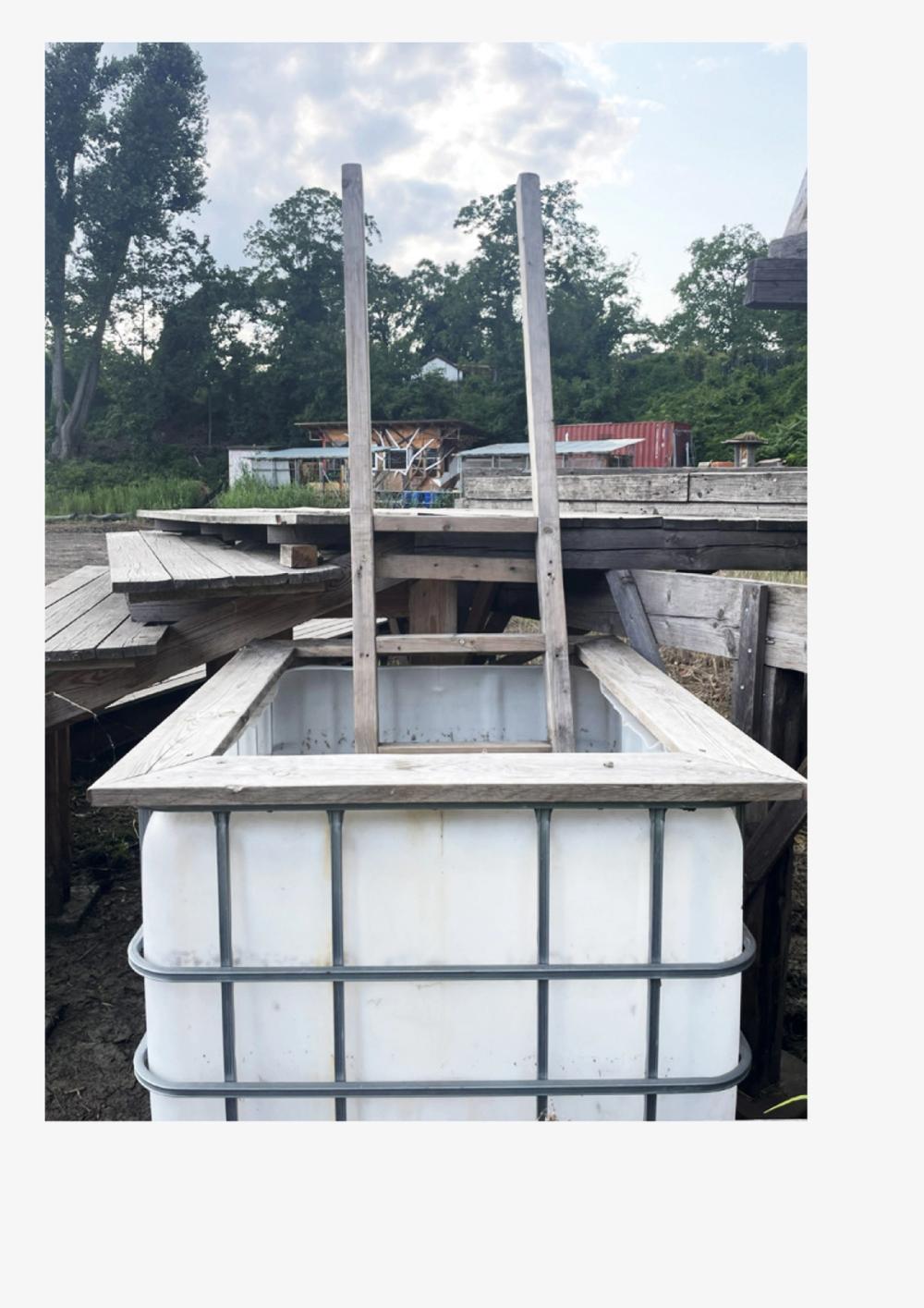
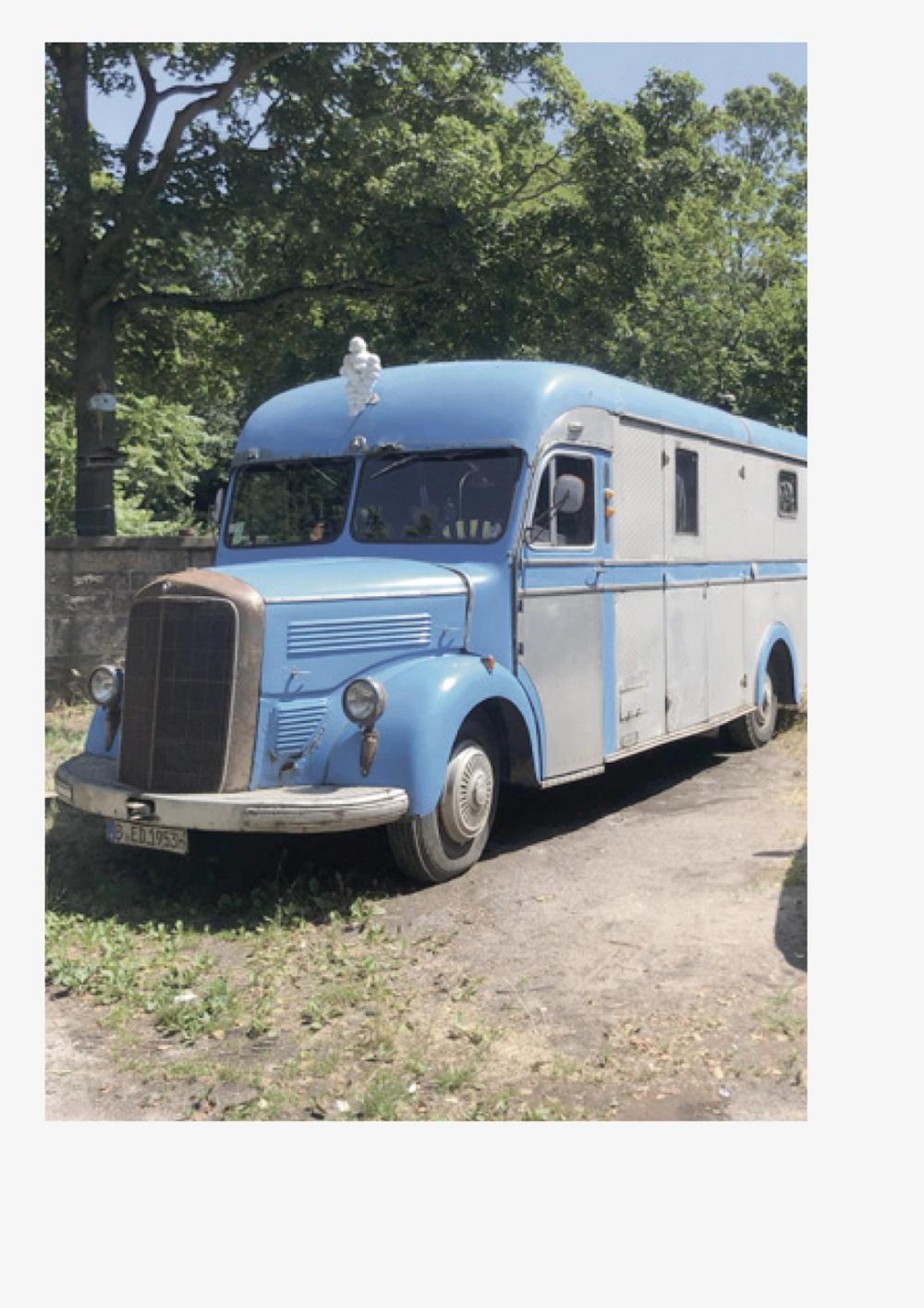
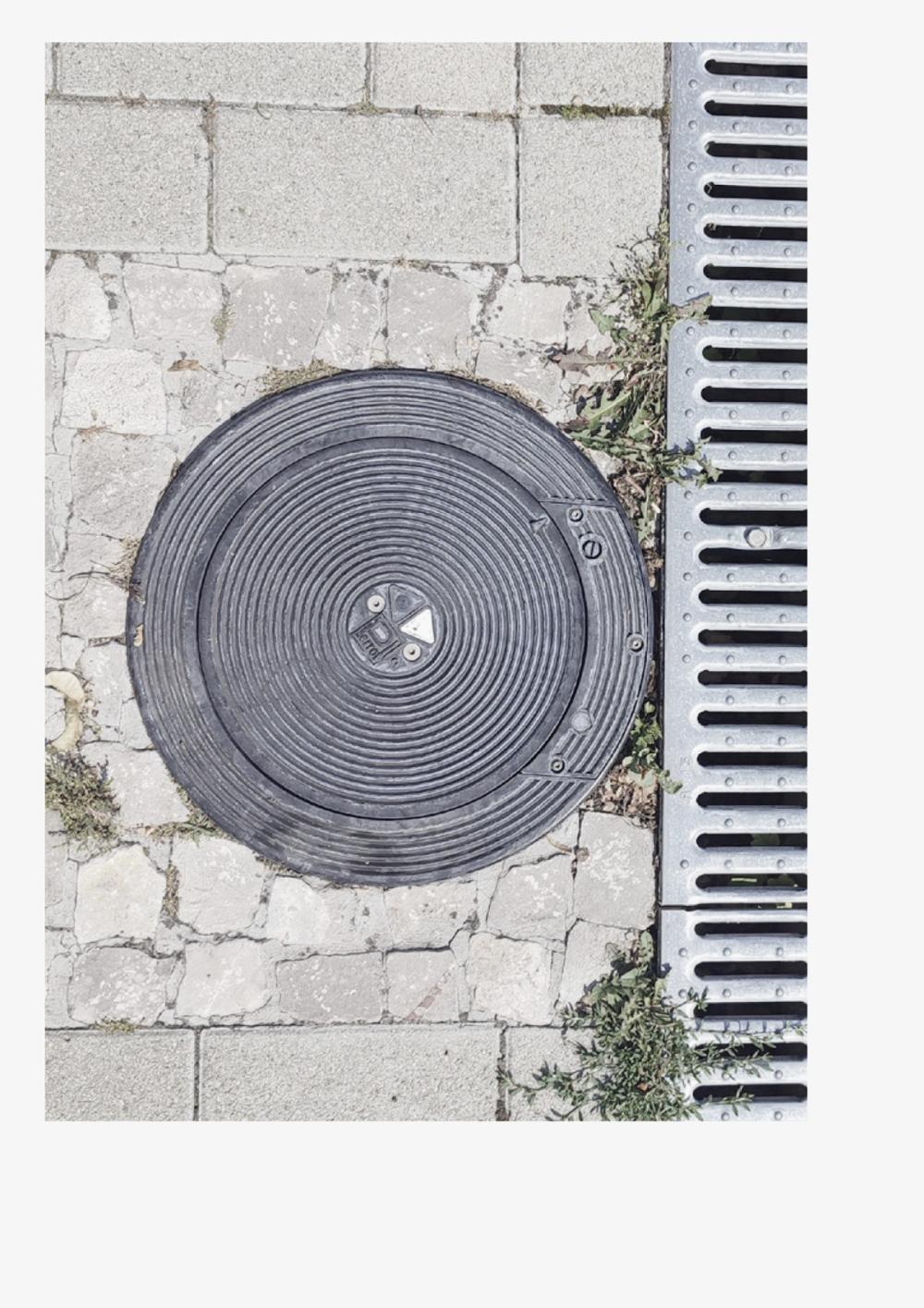
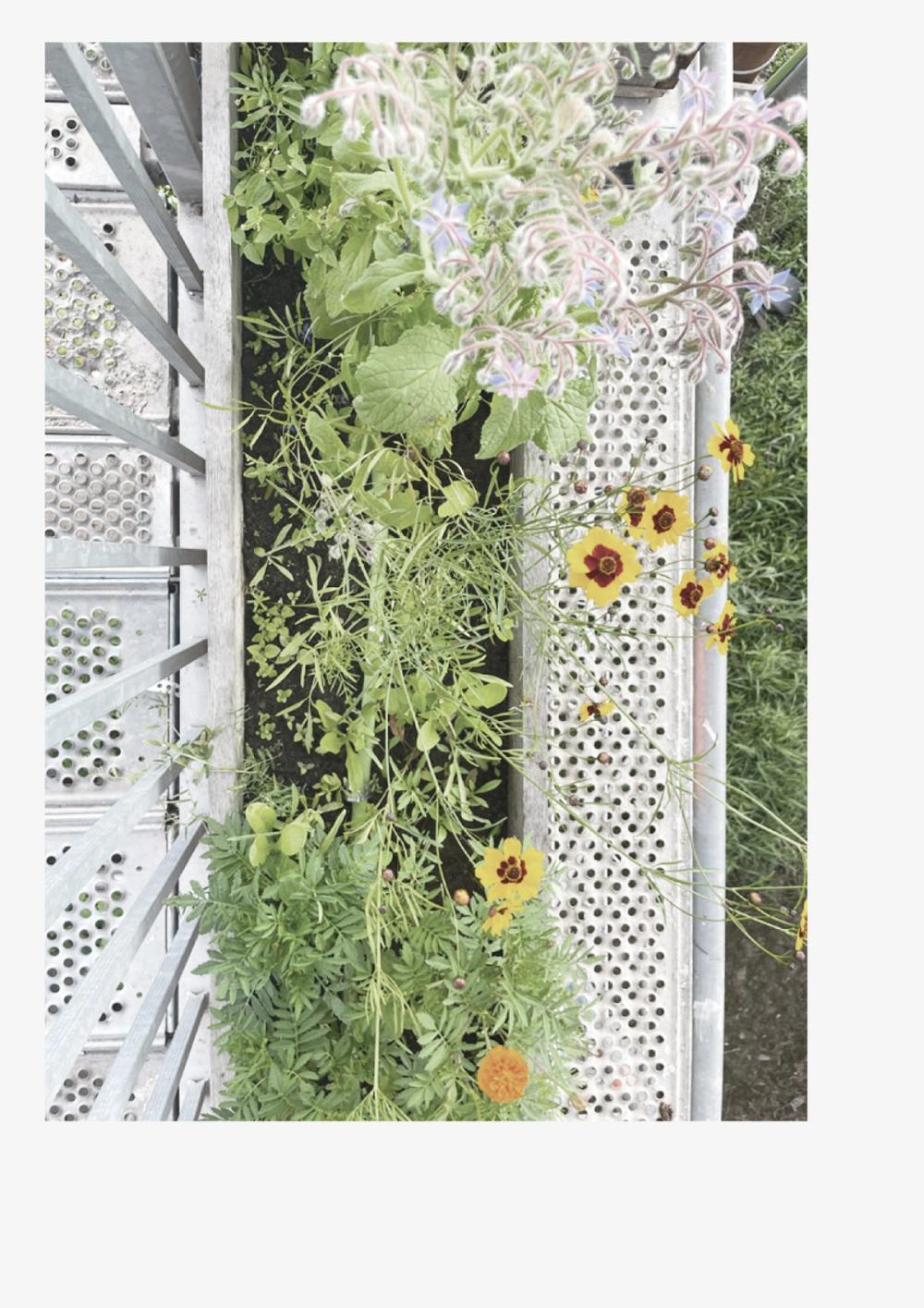
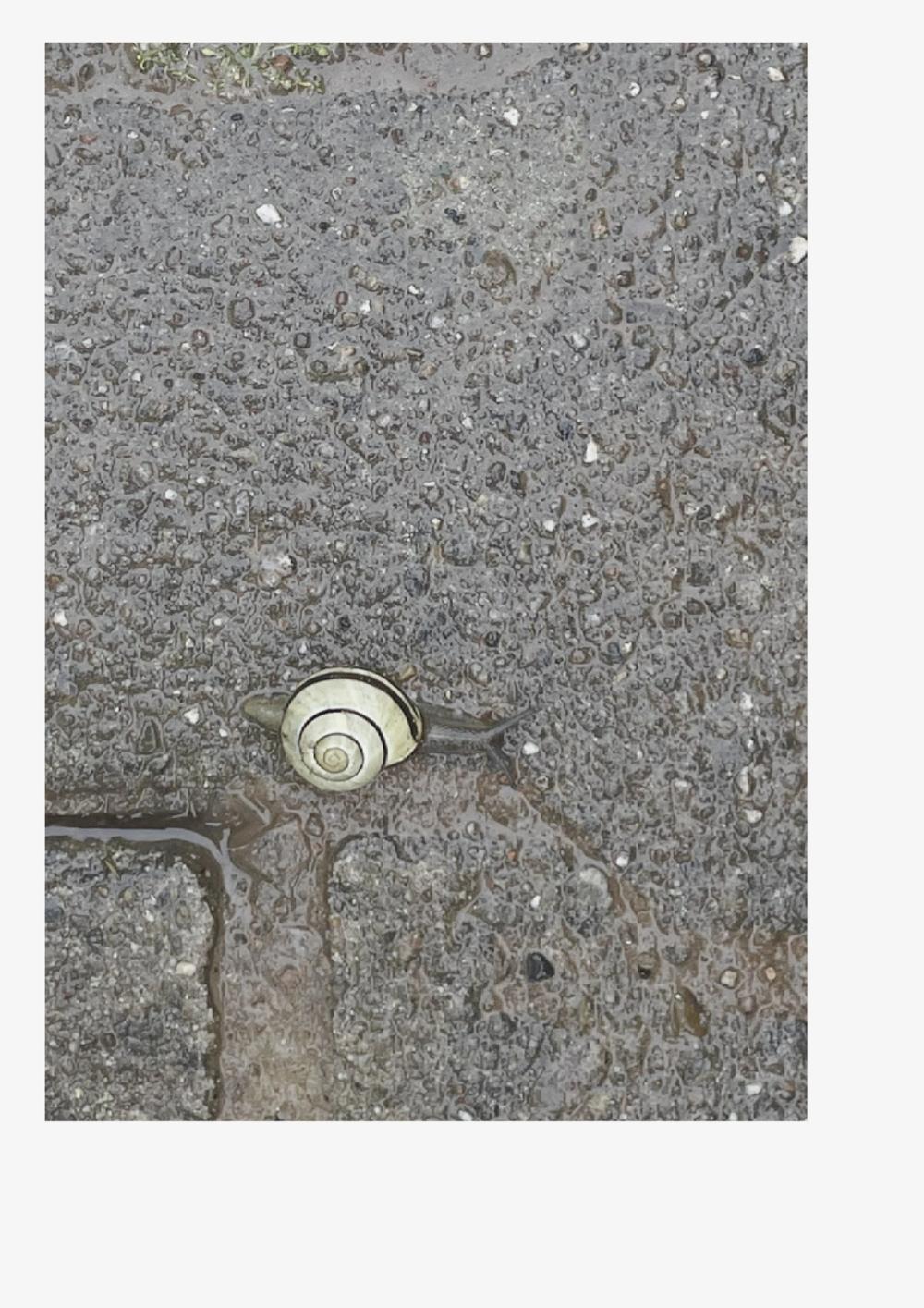
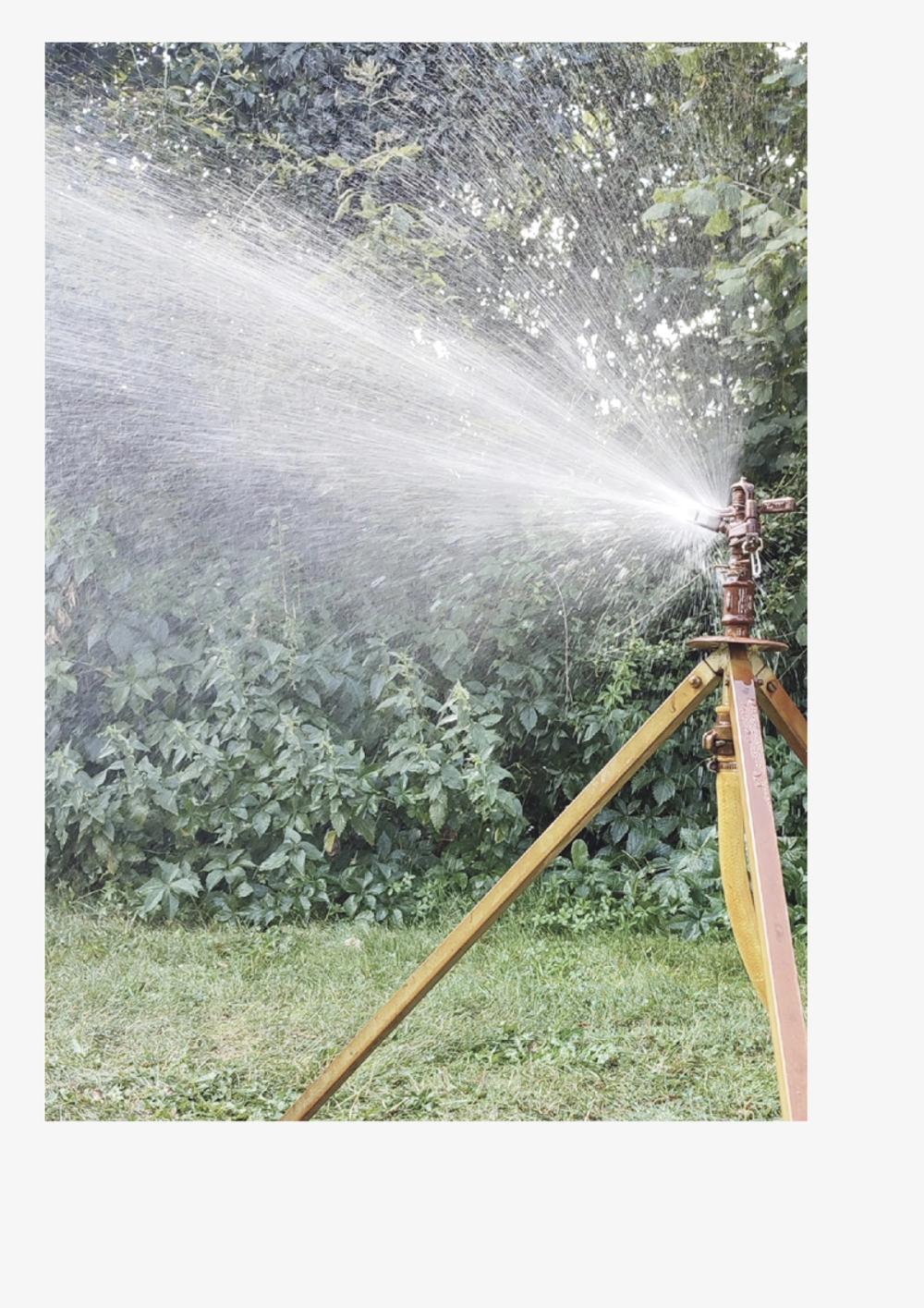
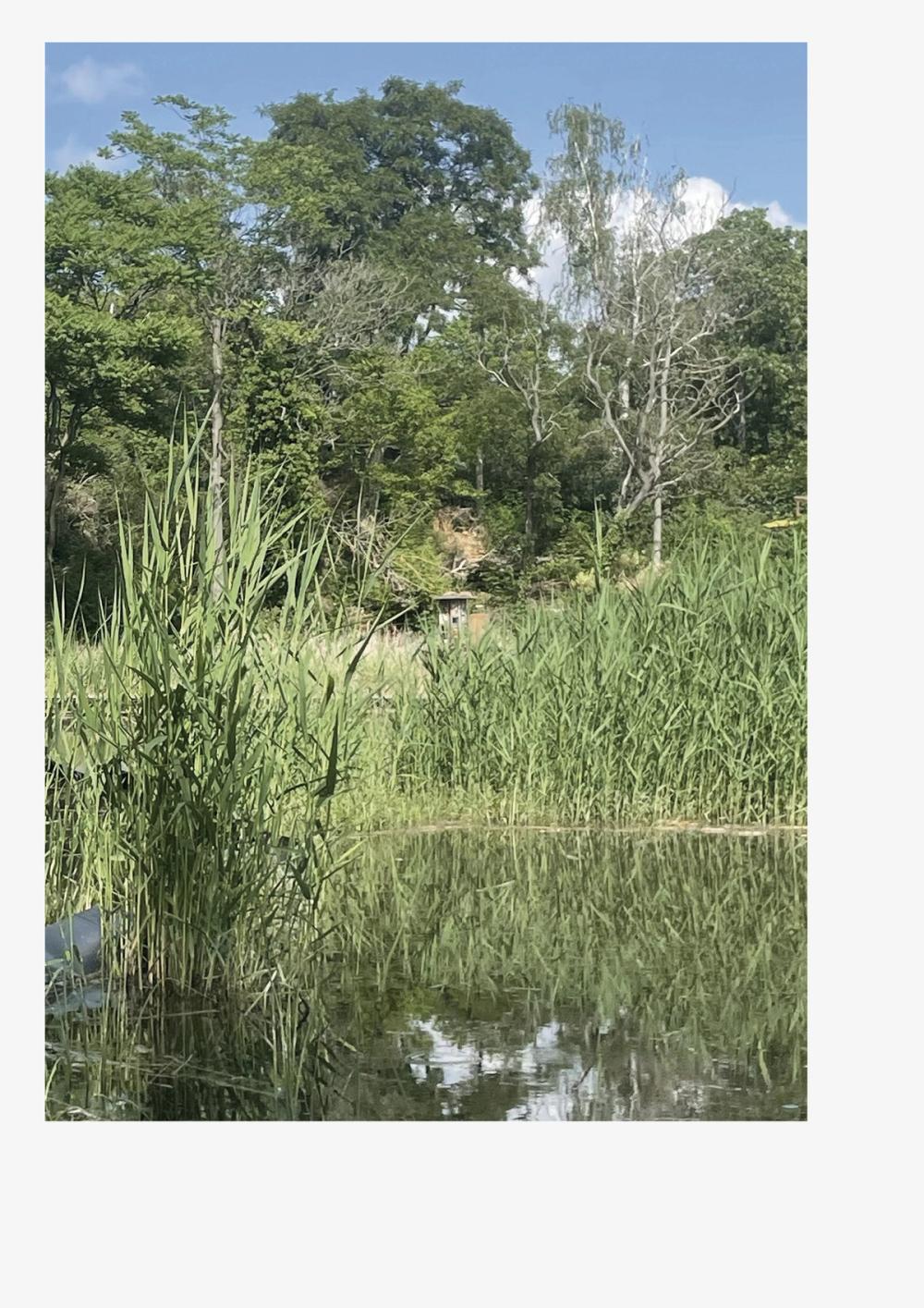
FIG. 02 – 15
Visual collection of the spaces, habits and routines of water usage in the neighborhood of Floating. © The authors.
Allotment Gardens
The residents of the allotment gardens use different kinds of water for their manifold activities. Many residents collect rainwater and use it for irrigation, but freshwater and greywater are used too. During hot summers, the watering of trees, flowers and fruits is prioritized, and lawn areas are watered less. Freshwater is also used to fill swimming pools, for cooking and dishwashing. Moreover, many of the residents have composting toilets, and thus do not produce blackwater.
Cemeteries
There are three cemeteries within the neighborhood. All use freshwater for irrigation purposes. The cemeteries at Bergmannstraße plan the construction of a cistern to utilize the rainwater runoff from rooftops for additional irrigation. In the future, the rainwater flowing down sidewalks should be directed to the tree-lined avenues.
Sports Fields
This open-air sports facility consists of tennis courts, soccer fields, and artificial turf grounds. During hot days, the surfaces are sprinkled with freshwater in order to prevent injuries and dust formation. Additionally, freshwater is also used for drinking and showering.
Hasenheide
The Hasenheide is an extensive public park, which has suffered from the increasingly hot and dry summers in recent years, as well as a high visitor occupancy rate. To address these challenges, the district plans to replant resilient trees, herb lawns and bushes and to loosen the soil. A newly drilled well and an intermediate storage system will be used to extract groundwater to water the park in the future.
Grass frog
Spawns in the water and after tadpoles spend several months in the water, the actual metamorphosis into a land animal begins, with the gills regressing, among other things. Tadpoles live only in water. The spawn balls are attached to the aquatic vegetation in shallow places.
Emerald damselfly, Horseshoe damselfly & Brown mosaic damselfly
Are mainly found near bodies of water, since their larvae depend on water as a habitat. They attach their eggs to aquatic plants. The dragonfly larvae live in water, mostly at the bottom of the water bodies or among aquatic plants, where they look for food.
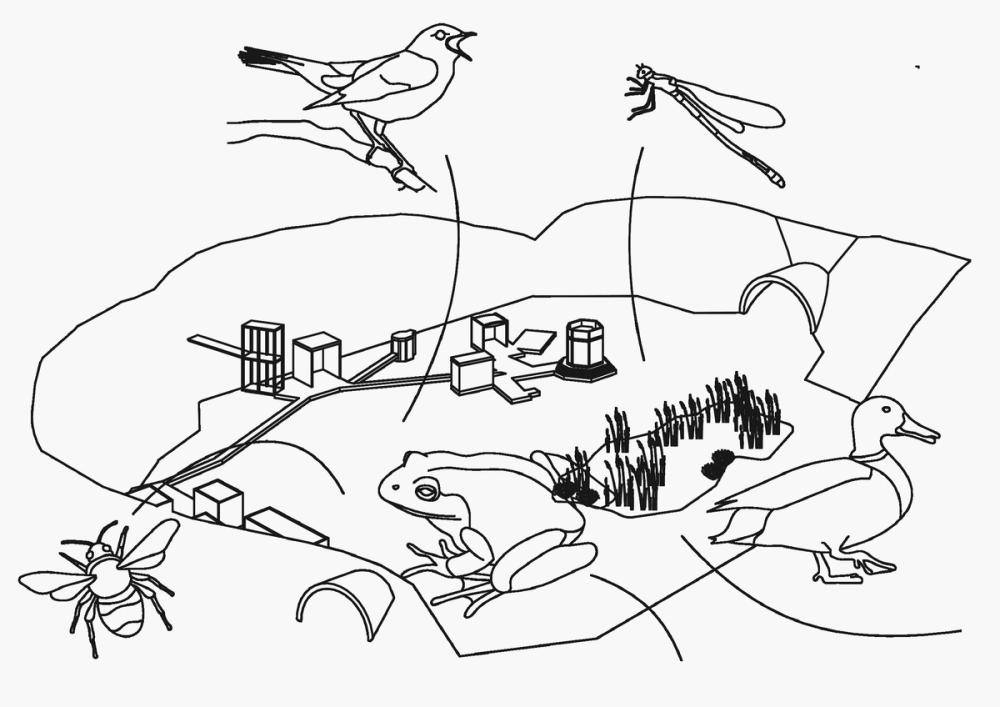
Species like blackbirds, frogs, dragonflies, or ducks use the water resources of the area in various ways. © The authors.
Mallard duck
Dig in the water for food. They search the bottom of the water to a depth of about half a meter. The duck is not very demanding when choosing its breeding grounds or whereabouts, as long as there is some kind of water body.
Honeybee
The beekeepers of the adjacent allotment gardens have their beehives at the edge of the Floating site. The honeybees drink from the collected basin-water and search for a secure surface to land on (e.g., the reeds). They not only consume water but also use it to maintain the climate in the beehive, where the water is utilized for cooling. For this purpose, bees distribute small water droplets throughout the colony to achieve evaporation cooling for temperature regulation. A honeybee colony consumes an average of 20 liters of water between the end of February and mid-April.
Reed
Has a natural filter function within the basin. Growing on accumulated sediment and mud, it forms a green and dense habitat on the concrete surface. It thrives best in the shallow basin water on moist to wet soils.
Snowberry
A shrub that has low to medium water needs growing on the banks of the basin. It prefers well-drained and moist soil but is also resistant to dry periods If no barrier is created.
Goddess tree
Grows at the banks of the retention basin as part of the “Ringforest.” If no barrier has been created, the roots spread almost unhindered within a radius of up to 15 meters. Established trees tolerate dry conditions well but thrive with moderate water access.
Floating
Is located in a rainwater retention basin, where experimental water systems are constructed with respect to the existing habitat. A fundamental paradigm in the research at Floating is to emulate natural water cycles rather than reproduce corporate linear sewer pipes. At Floating, there are four different types of water on which to experiment: 1) rainwater (which spills off the roofs of the University buildings and funnels through a collection system for reuse), 2) water from the basin (a mixture of automobile oil, vulcanized rubber, cigarette chemicals, and trash that comes as rainwater from the airfield, drains into the open-air basin and flows on into the sewage system), as well as 3) greywater and 4) blackwater that is produced on-site.
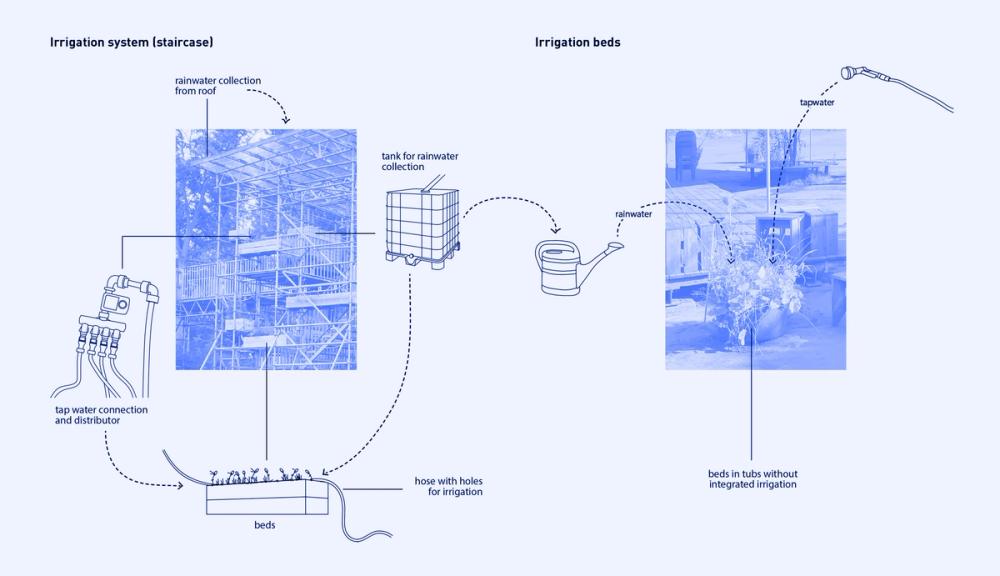
Water flows from the rainwater collection to the irrigation system at the staircase and the irrigations beds. © The authors.
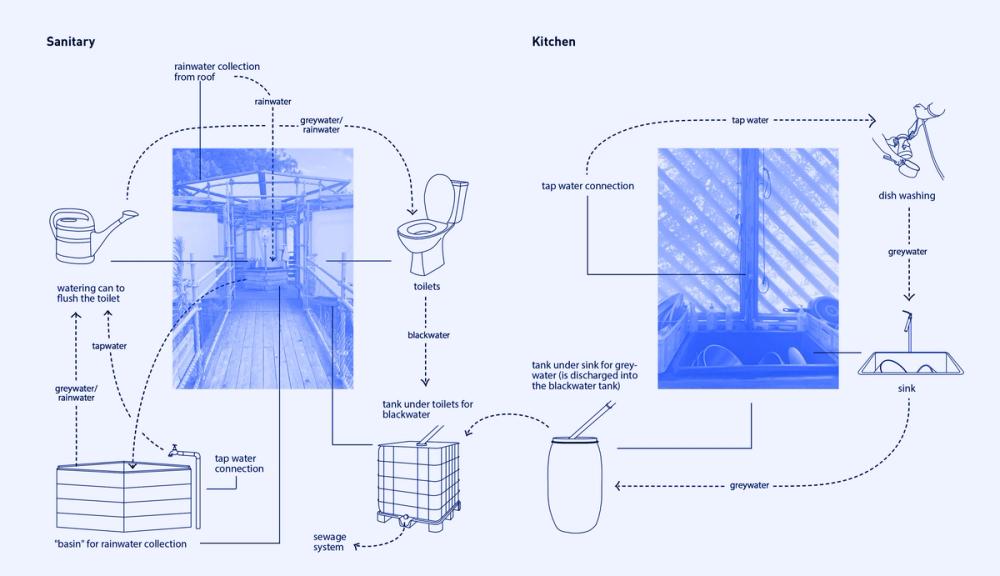
Water flows from the rainwater collection to the sanitary system and the kitchen. © The authors.
Water Positions
When we spoke to the various human neighbors and discussed how vast amounts of rainwater from the collection basin at Floating are directed into the Landwehrkanal—a municipal sewage channel—most people were surprised. “Rainwater is a common good that belongs to everyone” and “rainwater, as a common good should become universally accessible so that it can be used where it is needed within the neighborhood,” were common positions. Throughout these informal chats, it became clear that most residents would find it more efficient and fairer if the local basin water were used for local purposes (such as watering plants or creating new biotopes and renaturalized ponds), instead of directing the water into the technocratic sewage infrastructure of Berlin-Kreuzberg.
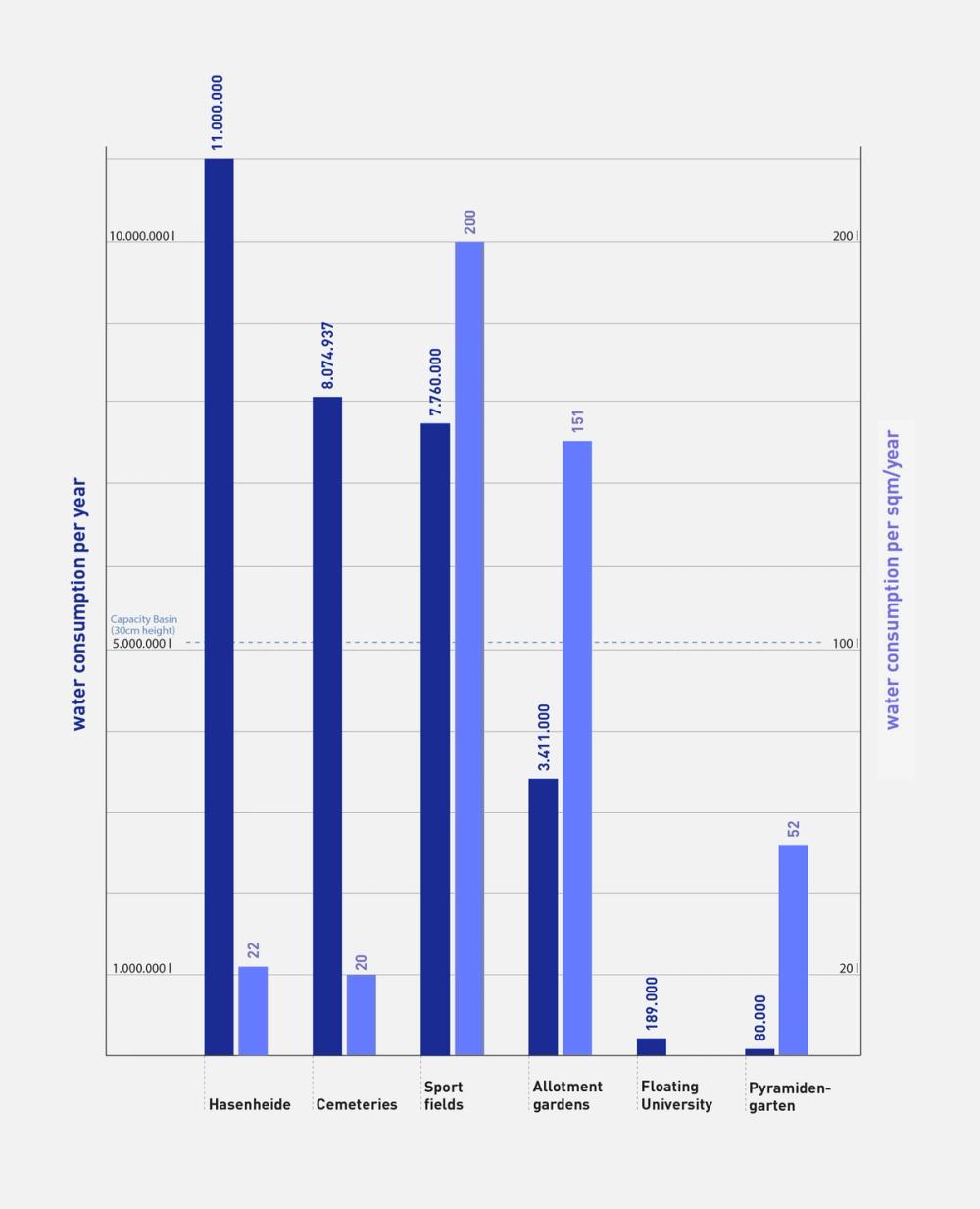
Comperison of water consumption of different users among the different users within the neighborhood of Floating. © The authors.
However, in our current political and economic water system, market-driven interests regulate the accessibility, cost and distribution of water and direct rainwater, as soon as it hits the ground into private property or city-owned sewage systems. Opposed to this logic, we aim to explore a possibility of detaching rainwater from the ground it falls on to challenge the current neoliberal idea of water as a technocratic and capitalized resource of ownership.
The Hydrocommons Assembly
In the near future, the rainwater collection site will be transformed from a retention to an infiltration basin, which will presumably increase not only the quality of the water, but also its available volume. We want to open the dialogue about who will own the filtered water and who will have access to it.
Since the capacity to collect water should not define who has access to it or determine its use, the project asks: If different stakeholders within the neighborhood had access to the rainwater and could make decisions—humans and more-than-human subjects alike—how would this shape the place differently? How could the rainwater be distributed justly? And how can we facilitate such a challenging process of multispecies negotiation first of all?
Based on ideas from the fields of philosophy and political science, our project proposes a place of assembly where different bodies of water can come together. Filtered rainwater is the connecting element, that holds a democratizing potential for human and more-than-human actors. By catching it before it touches the ground and designing a rainwater collection filter, as a basin within the existing retention basin, we aim to provide a forum to discuss the tension between ownership, accessibility, distribution and caretaking of water.
Following Bruno Latour’s concept of the Parliament of Things, we propose a direct representation of more-than-human agents in the Assembly. Thus, they are visible in the space, have “seats” designed for their needs, and are integrated into the building process of the assembly.
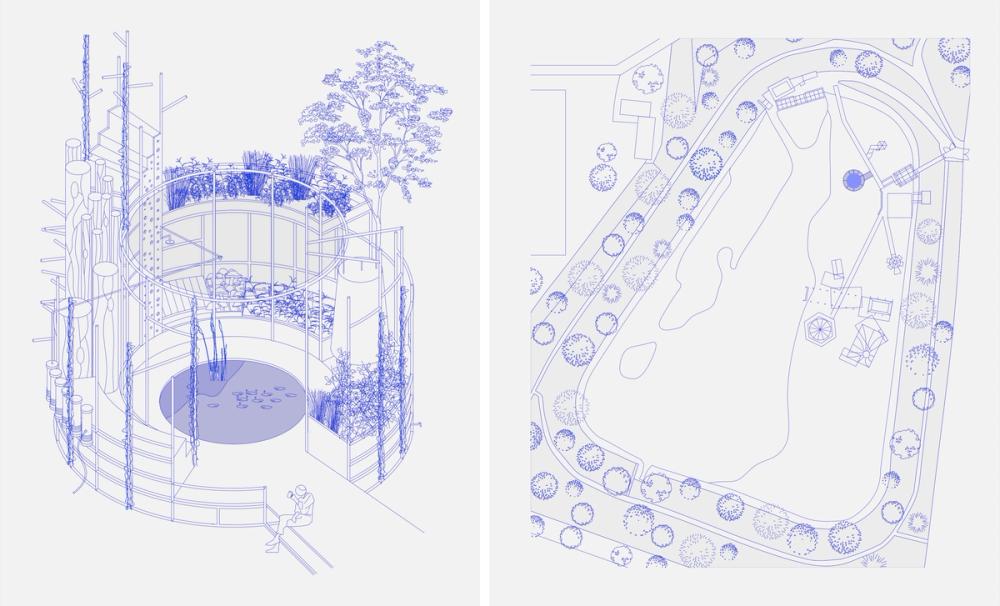
The spatial translation into an assembly space with a rainwater basin at its center. © The authors.
As humans, we are used to construction processes with a linear planning- and building phase. However, since different species have different rhythms and scales of cohabitation throughout the year, more-than-human subjects would create their own “seats” in the assembly space. To integrate them, we considered humans building the “frame” for co-habitation and then letting more-than-human subjects “take over” that process. Therefore, the “first construction phase” starts in the winter months, when flora and fauna are less active. For instance, humans could set up the framework of the installation by assembling the scaffolding and hanging the rainwater filter within a few days in November. Once set up, they would create a base for further habitation through the preparation of soil and deadwood within the different parts of the installation.
When the first more-than-human actors become active in early spring, the “second construction phase” begins, which no longer runs in linear (and thus human) fashion but forms different cycles throughout the year. The deadwood serves as a habitat for insects like beetles, while ants collect splinters to carry them to their underground nests. In parallel, humans bury seeds in the ground and irrigate them if needed. In March and April, plants begin blooming in phases, continuing until autumn and the pollen count begins. In this process, different more-than-human subjects have different but overlapping construction and breeding seasons. Ranging from 2–3 days for a blackbird’s nest in April, to 4–6 weeks of construction time for a nest of a species of wild bee. Some more-than-human subjects build all year round (e.g., squirrels), while other species, such as swallows, return only for the warmer season at the beginning of April to build their nests in summer and leave the installation after the breeding season in late autumn.
Similarly, the basin underneath the rainwater filter is used in various ways throughout the year. It serves as a habitat for spawning and tadpoles (10–12 weeks), as a source for drinking (all year round), for processing building materials (e.g., swallows create greasy lumps of clay with water for nest building) or for cooling humans and more-than-human subjects alike, especially during hot summer months. In autumn, the overall activity within the installation decreases. Slowly, animals and plants retreat and a variety of mushrooms peak. After a whole year of co-habitation, growth and decay, a complex habitat has been created within the installation that will keep on changing, evolving, and metamorphosing over time.
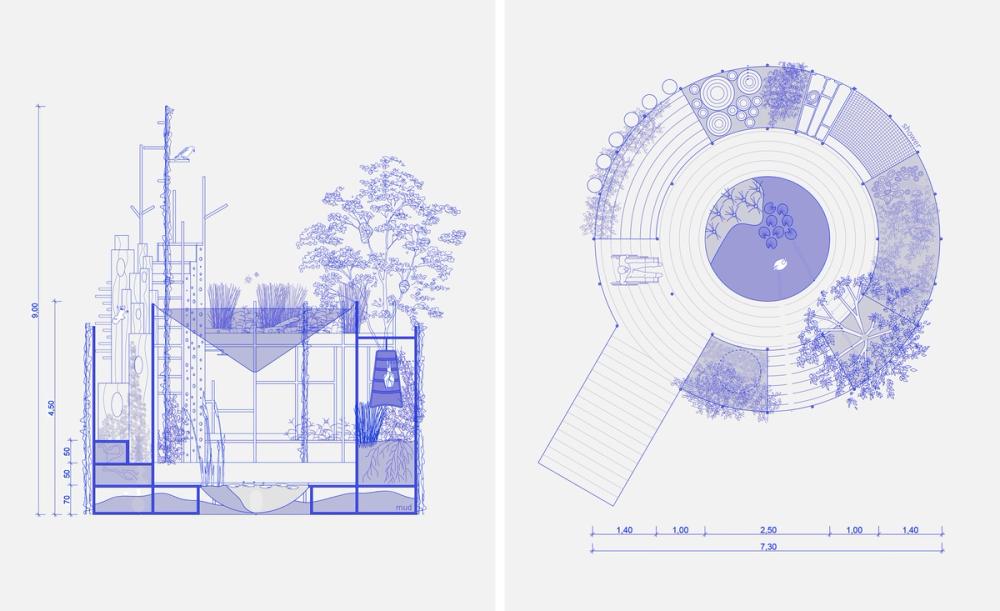
Spatial translation into an asssembly space and a pedagogical device that allows for interspecies cohabitation. © The authors.
Since water is needed by all actors (humans and more-than-human subjects alike) within this process, it is placed at the center of the installation. The idea is for different species to represent themselves within the scaffolding, and their complex relationships to rainwater become perceptible. Notably, their “seats” are not static but in constant flux, depending on the season and time of day. Thus, the installation serves as a focal point for all actors around Floating: Through their fluid habits and visibilities, they do not only emphasize their own rhythms of life but also engage actively in the distribution processes of rainwater too.
In our view, interrelationality and situational interdependence rather than technocratic management through capital driven urban development should be in the focus of the future debate about the prospective infiltration basin. Therefore, the proposed intervention performs two spatial protocols. Firstly, it functions an assembly space where diverse forms of life convene to debate on water issues. Secondly, it serves as a pedagogical device which, when not used for sessions of assembly, speaks about the cohabitation of these diverse forms of life through their connection to and interaction with the rainwater basin. This way, the materiality of the assembly space and the representation of the more-than-human actors create a pedagogical moment, as the routines and behaviors can be observed and understood. In relation to the filtered rainwater, humans can learn from their behavior, see the needs, rhythms and processes of more-than-human subjects and find their role in assisting different species. By understanding how the habitat evolves within the installation, humans find an atmospheric space for experiencing, resting, and assembling.
Through the processual nature of and coexistence among different species throughout the year, negotiations of human and more-than-human actors around the hydrocommons assembly open up a diverse and democratic perspective on the future distribution of the filtered rainwater at Floating.